Collision Repair
The Google listing for J.R's Automotive & Hail Repair names collision work as one of its three specialties, and the archived About page described the shop as equipped to handle everything from minor dents and scratches to major collision damage, with the aim of restoring a vehicle to its pre-accident condition. This page walks through what a collision repair usually involves and how to prepare.
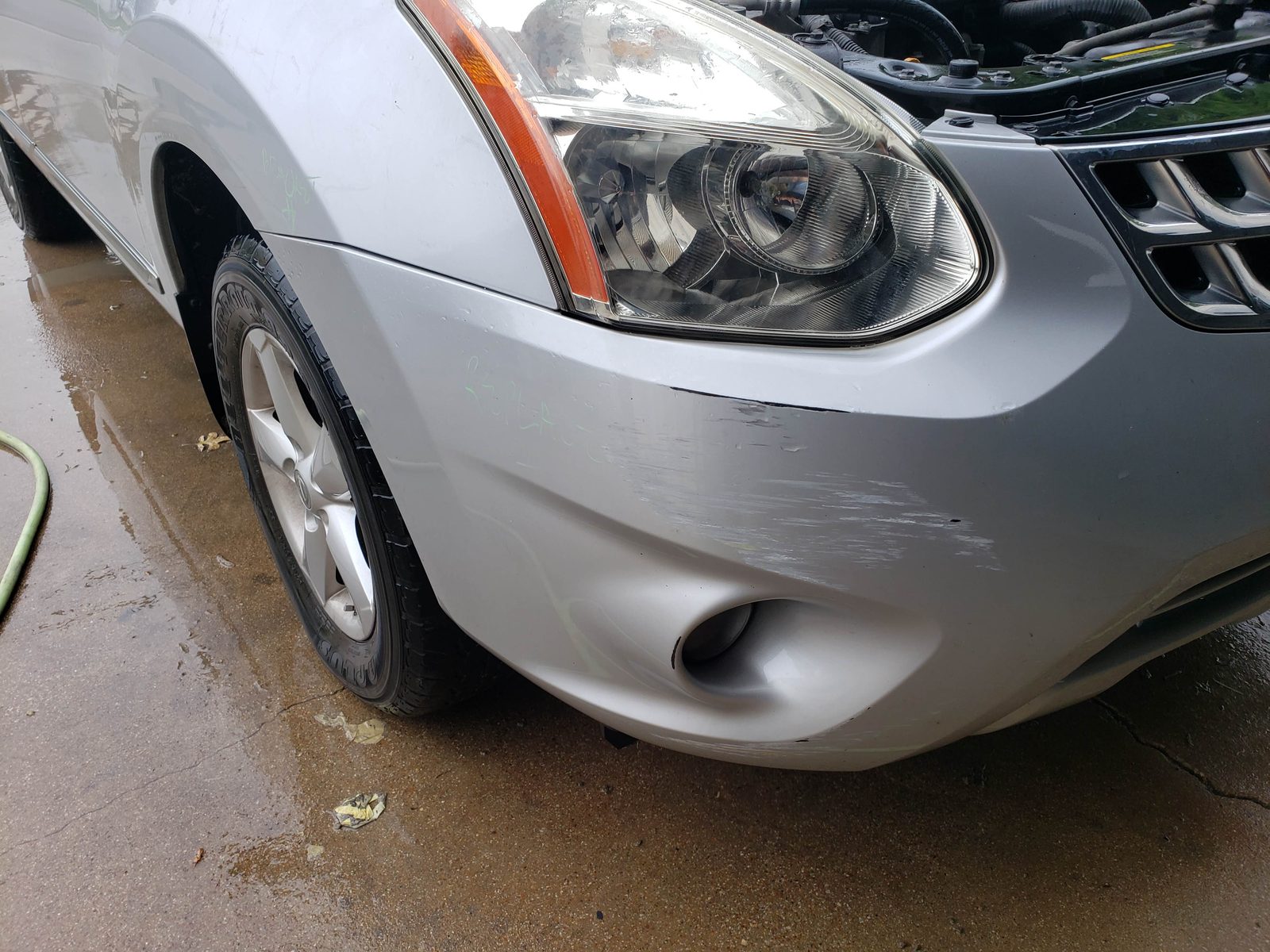
Collision repair, from a scraped bumper to a hard hit
The Google listing for J.R's Automotive & Hail Repair names collision work as one of its three specialties, and the archived About page described the shop as equipped to handle everything from minor dents and scratches to major collision damage, with the aim of restoring a vehicle to its pre-accident condition. This page walks through what a collision repair usually involves and how to prepare.
Collision damage ranges widely. A low-speed parking-lot bump may leave a cracked bumper cover and a scuffed fender, while a harder impact can push a radiator support, bend a suspension arm, or shift panel gaps across the front of the vehicle. What you see from the outside is often only part of the story, so a collision estimate begins with a careful teardown or inspection.
Because J.R's Automotive & Hail Repair is also a mechanical shop, a collision repair there can address both the body damage and the mechanical parts behind it, such as cooling components, lamps, sensors, steering, or suspension. The archived services page listed collision, auto-body and trim repair, steering and suspension, and electrical work under one roof.
The archived About page also described the stress of vehicle damage and the goal of getting customers back on the road safely and swiftly. Safety comes first: a vehicle with a bent wheel, a leaking radiator, or a damaged lamp should be assessed before it is driven any distance.
What this service generally includes
- Damage assessment. Visible damage is documented and hidden damage is checked behind bumpers, lamps, and inner panels.
- Structural and alignment checks. Suspension geometry and panel gaps are reviewed because a collision can shift both.
- Panel repair or replacement. Damaged panels are repaired where practical and replaced where the metal or plastic is beyond repair.
- Refinishing. Repaired areas are prepared, primed, and painted to match the surrounding finish.
- Mechanical follow-through. Cooling, lighting, electrical, and steering parts affected by the impact are repaired in the same visit when needed.
- Insurance and paperwork. The archived site said all insurance companies were welcome and that loaner cars were available; confirm current terms.
What affects scope and timing
The extent of hidden damage is the biggest variable. Once a bumper cover is removed, the shop may find a broken reinforcement, a bent bracket, or a damaged sensor, and the estimate is revised. That is normal and is why the first number is often called a preliminary estimate.
Parts availability and insurer approval set the rest of the schedule. Some parts arrive in a day, others take longer, and supplements for hidden damage need approval before the work continues. Ask for updates at each of those points so that the timeline stays clear.
How to prepare
Bring the police report number if one was filed, the insurance claim number, and the other driver's details if another vehicle was involved. Note any warning lights, noises, or pulling that started after the collision.
Remove valuables and toll tags if the vehicle will stay at the shop. If the vehicle is not safe to drive, ask about towing; the archived site listed towing as available.
After the visit
After a collision repair, drive the vehicle for a few days and pay attention to steering feel, noises, warning lights, and panel fit. Check that doors, hood, and trunk close evenly. Report anything unusual to the shop promptly.
Preliminary estimates and supplements
A collision estimate written before teardown is a starting point. Hidden damage behind a bumper or inner panel commonly adds to it, and that addition is called a supplement. Asking how supplements are handled is a reasonable first question.
Keep a simple log of who you spoke with and when, both at the shop and at the insurer. A clear record makes the handoffs easier when several parties are involved in the same repair.
Questions people ask about collision repair
Can I choose J.R's even if my insurer suggests another shop?
In general, drivers can choose where their vehicle is repaired. The archived site said all insurance companies were welcome; confirm with your insurer and the shop.
Is a rental or loaner available?
The archived services page listed loaner cars as available. Availability changes, so ask when you schedule.
Why did my estimate change after teardown?
Hidden damage is often found once panels are removed. A revised estimate, or supplement, reflects what the inspection uncovered.
No repair too small
Call J.R's Automotive & Hail Repair on Duncan Street in Denton to describe the problem, ask about hail or collision work, or schedule maintenance.